Quiet Luxury:
A Curious Paradox
We are besieged by endless pings and pop-ups — yet the more digital our days become, the stronger our longing grows for what truly endures.
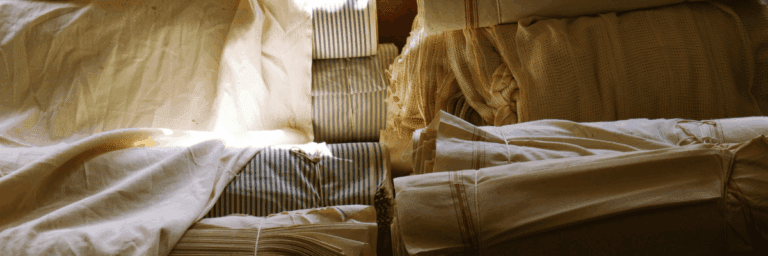
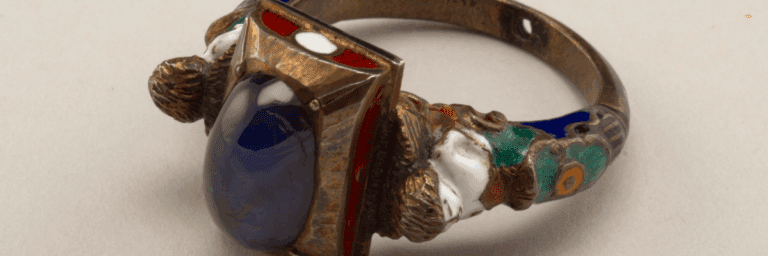
Authentic luxury whispers rather than shouts. It resides in the weight of properly made linen, in the patina of three-centuries-old silver.
We live in an age of quiet luxury’s curious paradox. We are practically besieged by endless pings and pop-ups, yet the more digital and hurried our days become, the stronger our longing grows for true quiet luxury — for depth, traditions, and rituals that cannot simply be scrolled past.
For those who have already achieved everything, the greatest challenge is no longer access to luxury. Instead, it’s the exhaustion of navigating selections that are often as loud as they are hollow.
If you long for fewer, better things — and would like someone to quietly do the searching for you — this space is designed for you.
What Quiet Luxury Is Not
Quiet luxury is not a trend. Rather, it represents a return to what endures — and to the understanding of why it endures.
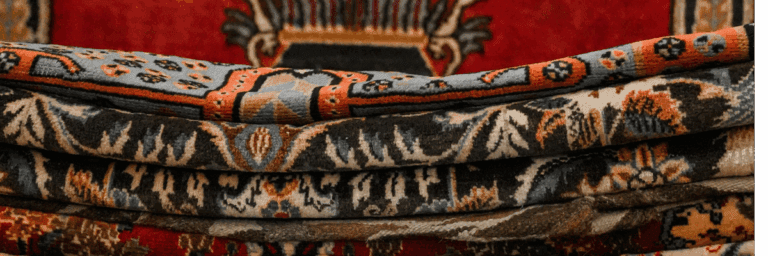
In today’s world obsessed with logos and instant gratification, authentic luxury whispers rather than shouts. It resides in the weight of properly made linen, in the patina of three-centuries-old silver, and in Persian carpets whose beauty deepens with time.
But there’s something more: a quality our ancestors understood instinctively, one that modernity has largely forgotten. They knew why silver graced family tables while gold marked state occasions. Why certain carpet patterns belonged in libraries while others anchored dining halls. Why placement, timing, and material weren’t arbitrary — but reflected centuries of observation about what harmonises with whom, where, and when.
The Knowledge Behind the Object
This is timeless luxury — pieces chosen not for brand recognition, but for their craftsmanship, provenance, and that rarer quality: the knowledge of how they fit into a life properly lived.
My world is rooted in twenty-five generations of noble heritage and discerning collecting. In this world, luxury was never about ostentation — it was about understanding.
True heirloom quality belongs not to birthright alone, but to deliberate choice informed by knowledge that’s been passed down, tested, and refined. This includes knowing which antiques to acquire, which craftsmen to commission, and — perhaps most importantly — why certain pieces belong in certain spaces, with certain people, at certain times.
A Confidante, Not a Curator
My ancestors didn’t merely surround themselves with beautiful things. They understood that materials, forms, and placement create harmony in ways we notice without quite naming. When a room feels right — not just visually pleasing, but genuinely comfortable in ways that go beyond aesthetics — that’s not accident. It’s knowledge.
I see myself as your confidante — someone who filters out the noise, uncovers rare makers, and quietly guides you towards the exquisite. Beyond curation, I offer something rarer: understanding of why certain objects belong in certain spaces, why materials matter as much as provenance, why the homes that feel genuinely welcoming follow principles our ancestors took for granted but which have been largely lost.
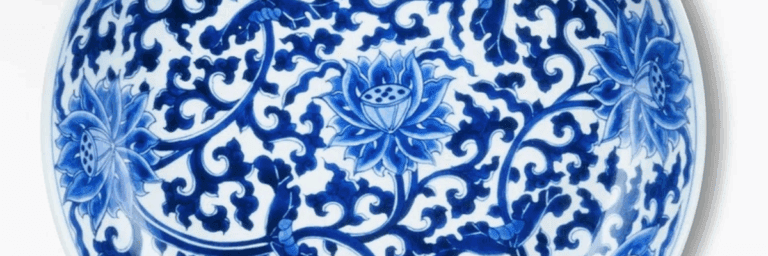
Fine bone china harmonises with silver and summer gatherings, while heavier porcelain suits gold and winter feasts. Certain carpet patterns encourage contemplation; others anchor conviviality. These weren’t arbitrary conventions — they were practical observations, refined over centuries.
Fewer Things, Cherished More
The result? You acquire fewer pieces, but cherish every single one. And more importantly, you understand why they belong where they do.
Here you will discover heritage makers preserving centuries-old techniques, objects with documented provenance, design principles for spaces of enduring beauty, and collecting wisdom passed through generations — from the silver legends of Robbe & Berking to the finest linen weavers.
Quiet luxury is, ultimately, a return to what truly matters. It means choosing a single perfect Persian carpet over a house full of disposable furnishings — but also understanding why that specific carpet belongs in that specific room. True elegance lies not in having everything, but in having exactly what you need — made superbly, placed correctly, used appropriately.
This is knowledge that cannot be purchased. It can only be learned, or inherited, or — increasingly rarely — shared by someone who still holds it.
If you are ready to move beyond the noise of mass luxury and discover not merely authentic objects, but the understanding that makes them meaningful, I invite you to explore this journal.
Welcome to a world where quality is assumed, beauty is understated, knowledge is valued, and true luxury requires no announcement.